

Economic Development
An Abundance of Capacity
Optimizing for outcomes will require building out a range of local public and private institutions.
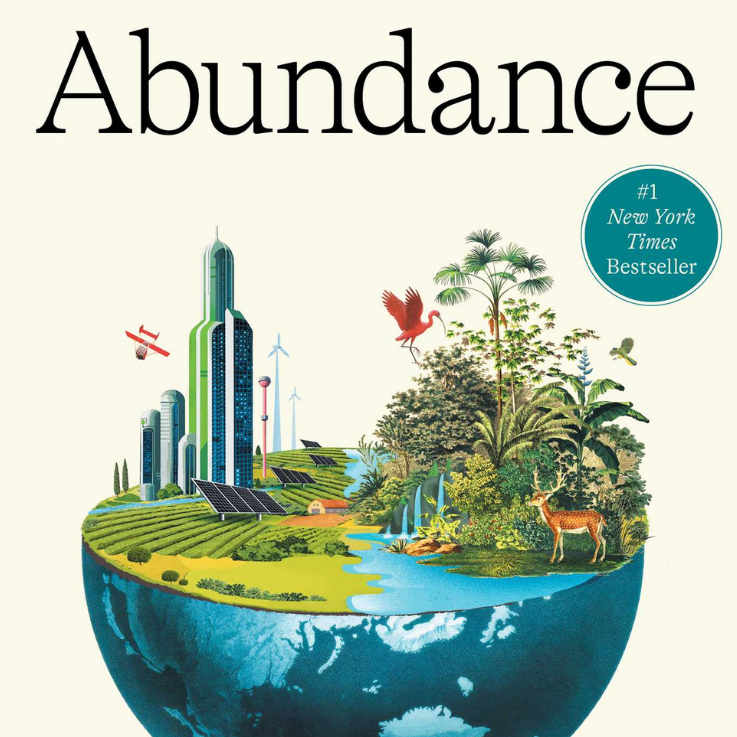
Optimizing for outcomes will require building out a range of local public and private institutions.
How have nonprofits adapted their strategies to help mitigate climate change? How can donors best support climate solutions? Leaders from the One Acre Fund and The Nature Conservancy discuss how climate change is shaping their work and ways philanthropy can step in with catalytic funding. A sponsored podcast developed with the support of DAFgiving360


The predominant model for educating nurses prepares them for hospital settings. By adopting a competency-based education model rooted in community care, nursing programs can better equip their students to address the diverse health-care needs and environments of the 21st century.
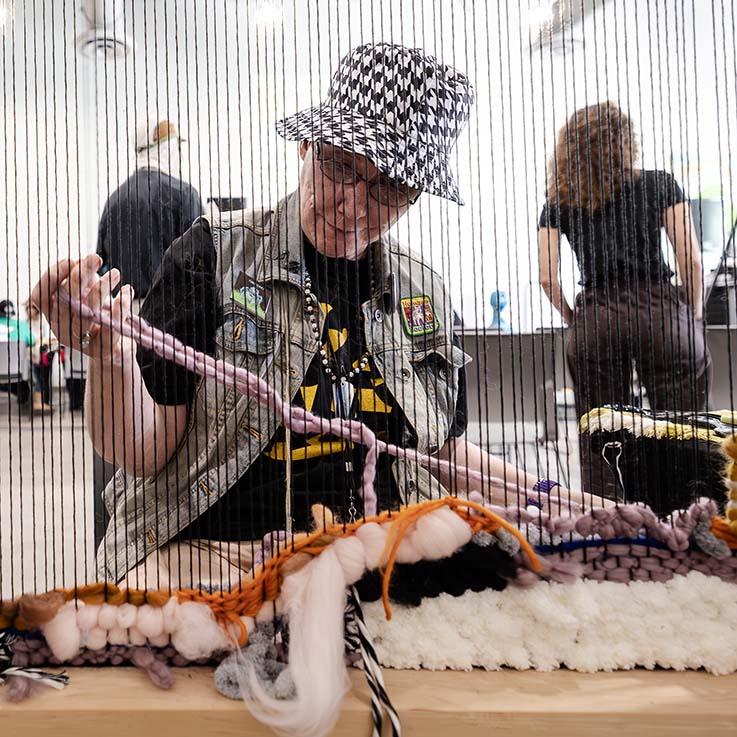
How artmaking and creative practice in the United States can address community challenges, strengthen local economies, and rebuild human connections—and three less-well-traveled ways to support it.
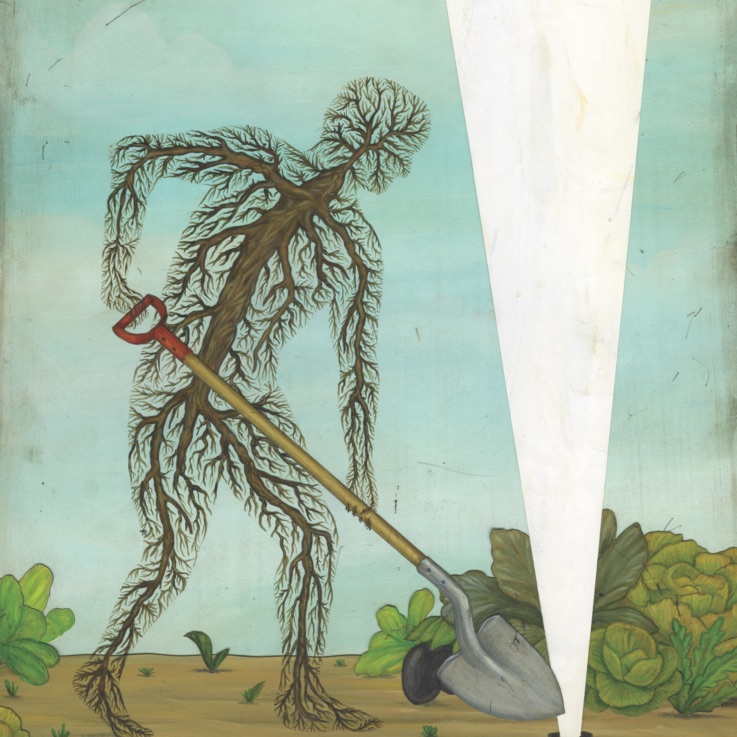
To succeed, place-based neighborhood transformation must have deep roots in the community that support innovative ways to branch to outside resources. Bonton Farms offers a model of such work.

Taking the lead on social and environmental challenges starts with communications strategies that bring people together.

An excerpt from Abolish Rent on the struggle to make housing a human right

The traditional model of community development finance is limited by market conservatism and a focus on scale, rather than local control. We need a new paradigm that prioritizes impact over scale, emphasizes flexible and creative financing strategies, and empowers community voice. | Open access to this article is made possible by The Center for Community Investment, a sponsored project of Rockefeller Philanthropy Advisors.
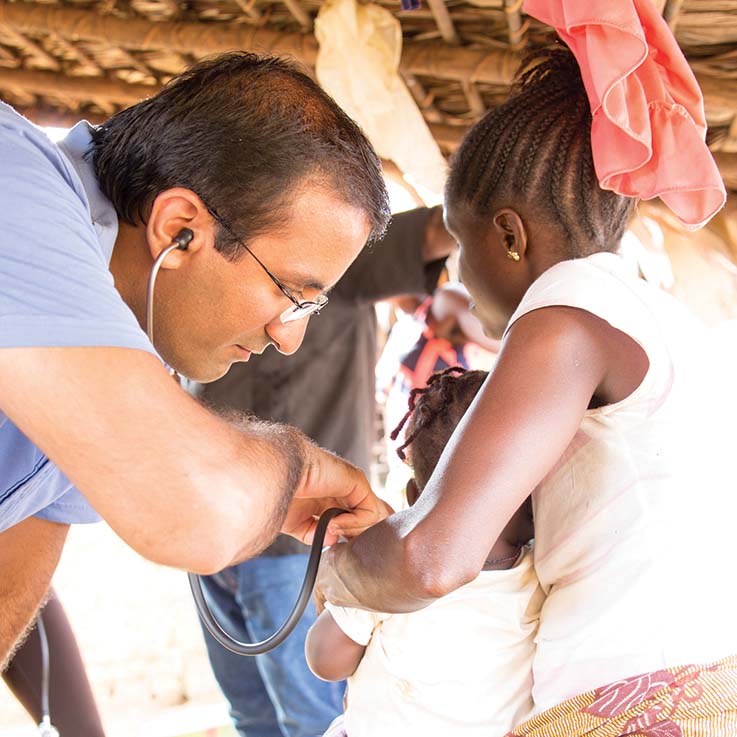
Working with governments to co-create programs and funding strategies can unlock resources far beyond what any single organization can do on its own.